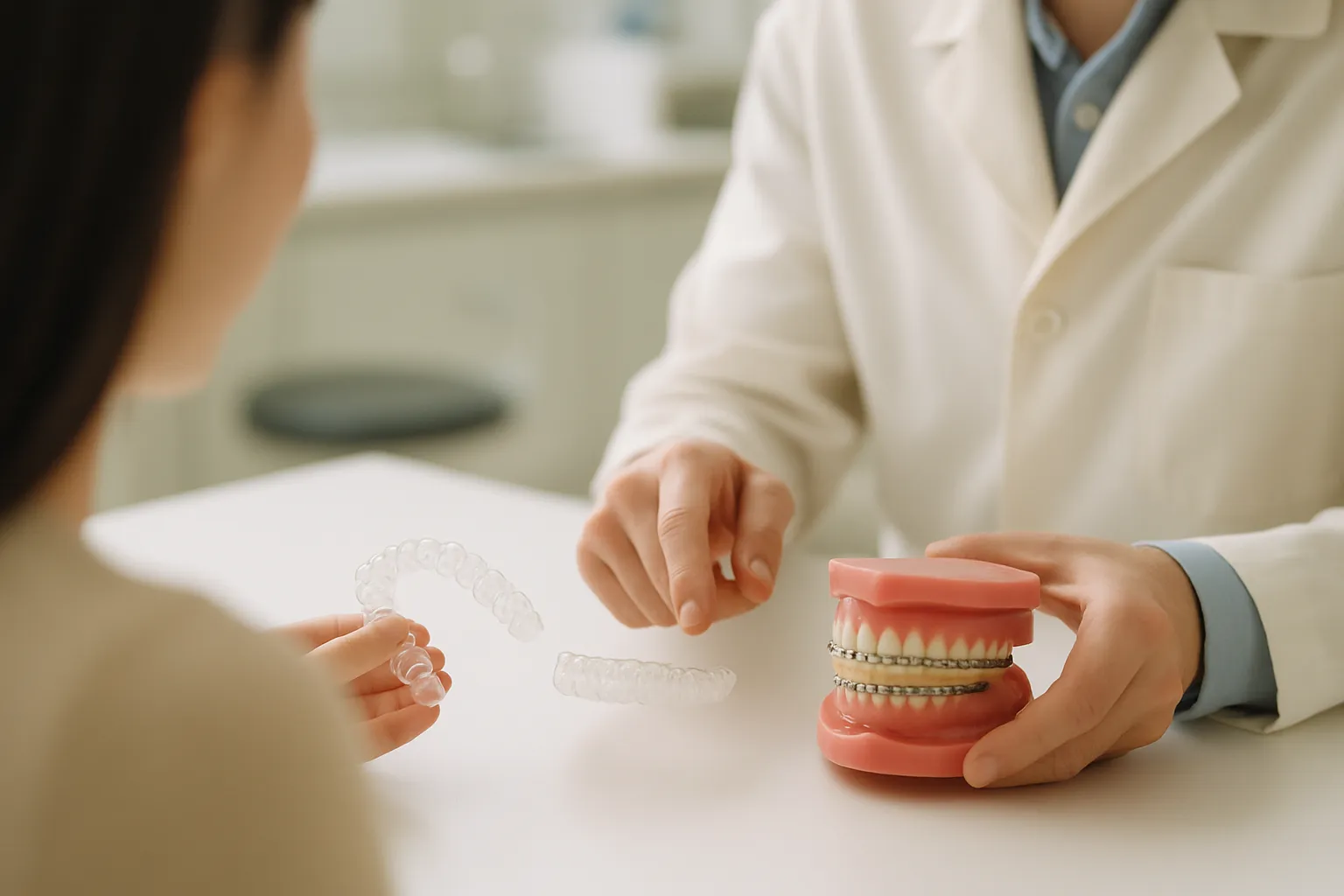

Your child should have their first dental visit by their first birthday, or within six months after their first tooth appears. Early dental care is important because it helps prevent problems such as tooth decay and builds healthy habits from the start. Studies show that waiting until age five or later for a first dental visit is linked to a much higher risk of cavities and dental issues later on.
Many parents worry about how their child will react at the dentist, whether the visit will be stressful, and how to make the experience positive. The good news is that with some simple preparation, you can help your child feel safe and comfortable. Staying calm, using positive words, and explaining what will happen in a gentle way can make a big difference in your child’s first dental experience.
When Should a Child Have Their First Dental Visit?
Experts recommend that your child should visit the dentist by their first birthday, or within six months after their first tooth appears—whichever comes first. This early timing helps prevent dental problems and lets your child become comfortable with dental care from the start. The first visit is not just about checking teeth; it also helps establish a ‘dental home’, meaning a regular place for ongoing advice and care as your child grows.
Delaying the first dental visit until age five or later is linked to a much higher risk of tooth decay. According to the American Academy of Pediatric Dentistry, children who wait until age five for their first dental visit have nearly 20 times the chance of developing cavities compared to those who go earlier. Many parents delay because they think baby teeth are not important, or because their child has no visible problems. However, waiting can mean missing the chance to catch issues early and get helpful guidance on brushing, diet, and habits.
Why Early Dental Visits Matter: Benefits and Goals
Taking your child for their first dental visit early—by age one or within six months of the first tooth—offers important benefits. Dentists can spot early signs of problems, such as cavities or issues with tooth development, and give advice on preventing them. Early visits also help children build positive attitudes toward dental care, which may lower the risk of dental anxiety later in life (S3, S5). The dental team will show parents how to clean their child’s teeth, discuss healthy eating habits, and explain the role of fluoride in protecting teeth. This is also a good time for parents to ask questions about brushing, teething, thumb sucking, or any worries they may have (S4, W9). A gentle, supportive first visit lays the foundation for lifelong good oral health.
How to Prepare Your Child Emotionally
Understanding and Reducing Dental Anxiety
Children often pick up on their parents’ feelings. If you stay calm and positive about the dentist, your child is more likely to feel safe too. Studies show that a parent’s attitude can strongly influence a child’s dental anxiety (S1, S5). Use simple, friendly words when explaining what will happen. For example, say the dentist will “count your teeth” rather than mentioning pain or needles. Avoid words that might sound scary, such as “drill” or “hurt.”
Playing pretend dental visits at home can make the real appointment less intimidating. Let your child practice opening their mouth or use a toy as the dentist. Reading children’s books about visiting the dentist is another gentle way to introduce the experience and answer questions (S5). These playful activities help your child know what to expect and reduce fear.

Practical Steps Before the Appointment
Taking a few simple steps before your child’s first dental visit can make the experience smoother and less stressful for both of you. Try to schedule the appointment at a time when your child is usually well-rested and has eaten, such as after breakfast or a midday nap. A tired or hungry child may be less cooperative and more anxious.
Let your child bring a favourite comfort item, like a soft toy or blanket, to help them feel safe in the new environment. At home, practice gentle brushing and let your child look in the mirror while you check their teeth together. This helps them get used to someone looking in their mouth.
If possible, fill out any forms online or in advance. This reduces waiting time and helps you focus on your child. Make a list of any questions or concerns you want to discuss with the dentist, so you feel prepared and get the most out of the visit.
What to Expect at Your Child’s First Dental Visit
Typical Steps and What the Dentist Will Check
Your child’s first dental visit is usually brief—often 30 to 45 minutes—and focuses on making your child feel safe and comfortable. The dentist will gently examine your child’s teeth, gums, and how their jaws are developing. This early check helps spot any concerns, such as early signs of tooth decay or bite problems, before they become bigger issues.
Cleaning at this stage is often very gentle, or the dentist may simply show you and your child how to clean the teeth at home. Expect practical advice on brushing, diet, and healthy habits, like how to avoid thumb sucking and how to use a bottle safely. Parents are encouraged to stay with their child throughout the visit to offer reassurance and support. This first appointment is a chance for you to ask questions and get guidance tailored to your child’s needs.
Managing Dental Anxiety in Children: Proven Strategies
Many children feel nervous about visiting the dentist, but several proven techniques can help reduce anxiety. One widely used approach is the ‘tell-show-do’ method. Here, the dentist explains what will happen (tell), demonstrates on a model or their own hand (show), and then gently performs the step (do). This helps children know what to expect and builds trust. Studies suggest that distraction—such as talking about favourite topics or using toys—can also help children feel more relaxed during the visit.
Positive reinforcement, like praise or small rewards, encourages children’s cooperation and makes the experience more pleasant. Dentists often use simple, friendly language and let children see or touch the dental tools before use. Parents play a key role: staying calm and present can reassure their child. Some children may need several short, positive visits to gradually build confidence and comfort in the dental setting.
Preparing Yourself as a Parent: Tips and Common Concerns
Your feelings about the dentist can have a real impact on your child’s first experience. Children often sense and copy their parents’ emotions. If you feel anxious, try to address your worries before the visit. Calm breathing, talking to other parents, or asking your dental team for advice can help you feel more at ease (see table below).
The dental team is there to support you. Do not hesitate to ask them for tips on how to talk to your child about the visit. They can suggest simple words and explain what will happen in child-friendly language (S4).
It is normal for young children to cry, be shy, or cling to you during the first appointment. Most dental teams are used to this and will help your child feel safe (S5).
Be aware of signs when urgent dental care is needed. If your child has pain, swelling, or mouth injury, do not wait for the routine visit—contact a dentist as soon as possible.
| Concern | What Parents Can Do | How the Dental Team Can Help |
|---|---|---|
| Parent anxiety | Practice calm breathing, seek support | Offer reassurance, answer questions |
| Child may cry or be shy | Stay calm, comfort your child | Use gentle approach, allow parental presence |
| Urgent dental issues | Watch for pain, swelling, injury | Provide urgent care guidance |
Conclusion
Early, positive dental experiences can help your child develop good oral health habits. Preparing for the first dental visit helps reduce anxiety for both children and parents. Dental experts recommend booking your child’s first dental appointment by age one, or within six months after the first tooth appears. This early start allows the dental team to support your family, spot any concerns early, and provide advice tailored to your child’s needs.
- Book your child’s first dental visit by age one.
- Talk about the dentist in a calm, positive way.
- Let your child bring a comfort item to the appointment.
- Prepare questions for the dental team.
- Know that some nervousness or tears are normal.
Remember, dental teams are there to help you and your child feel safe and supported. If you have any specific worries or notice signs like pain, swelling, or injury, arrange to see a dentist as soon as possible. An early, gentle dental visit can make a lasting difference—and your dental team is ready to guide you every step of the way.
Frequently Asked Questions
When should my child see a dentist for the first time?
Experts recommend by age one, or within six months after the first tooth appears.
How can I help my child not be scared of the dentist?
Stay positive, play pretend visits, and use simple, friendly language about the dentist.
What happens at a child’s first dental appointment?
The dentist checks teeth and gums, gives advice, and helps your child feel comfortable.
Is it normal for my child to cry during the first visit?
Yes, it is common and dental teams are experienced in helping children feel safe.
References
- Preparing children for their first dental visit: a guide for parents (2022)
- Assessment of preappointment parental counseling on dental fear and anxiety in children in pedodontic dental operatory: a randomized controlled trial (2024)
- The child’s first dental visit. (2003)
Last updated: 2026-10-17
Dentist, Iran Medical Council No. 233463 · Last reviewed: 17 October 2026
This article is for general education and does not replace a dental examination or diagnosis. For advice about your own teeth, book an in-person or online visit.